
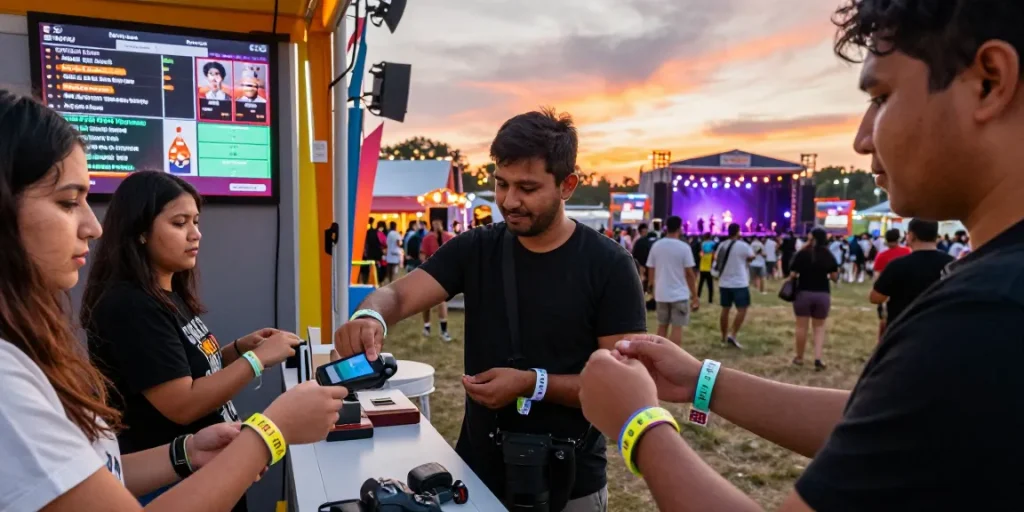
Understanding Cashless Payment Systems in Events
The evolution of payment methods in the event industry has led to a profound shift towards cashless solutions. With advancements in technology, the emergence of NFC wristbands and electronic payment systems have transformed how attendees interact during events. The concept of pago cashless en eventos is not merely a trend but a necessary response to the growing demand for efficiency and user-friendly experiences. Today, events of all sizes are adopting cashless payment systems to streamline operations and enhance guest satisfaction.
What is pago cashless en eventos?
Pago cashless en eventos refers to the use of digital payment methods that eliminate the need for physical cash transactions at events. Utilizing technologies such as NFC (Near Field Communication) and RFID (Radio Frequency Identification), attendees can make purchases at concessions, merchandise stands, and entry points using wristbands or mobile devices that are preloaded with funds. This system allows for a smoother transaction process, reducing wait times and enhancing the overall experience for both organizers and participants.
How cashless systems improve event logistics
Implementing cashless systems can significantly improve event logistics in various ways:
- Speed Up Entry: With electronic wristbands, attendees can enter the venue swiftly without the need to handle cash or cards, reducing congestion at gates.
- Real-Time Data Management: Event organizers can monitor attendee flows and density across the venue, enabling them to make informed decisions on resource allocation and crowd management.
- Automatic Refunds and Recharges: Cashless systems can facilitate instant refunds and automatic recharges, improving customer satisfaction and operational efficiency.
Key trends in cashless payment technology for 2026
As we look towards 2026, several trends in cashless payment technology are emerging, promising to reshape the event experience:
- Increased Use of Mobile Payments: With the proliferation of smartphones, mobile payment options such as Apple Pay and Google Wallet are likely to become standard at events.
- Integration of AI and Analytics: Expect more event organizers to leverage AI for data analytics to track spending patterns and optimize sales strategies in real-time.
- Enhanced Security Measures: With the rise in digital transactions, there will be a greater emphasis on security protocols to protect user data and transaction integrity.
Benefits of Implementing Cashless Solutions
Enhancing attendee experience with NFC wristbands
NFC wristbands offer a seamless experience for event attendees. By linking these wristbands to preloaded funds, guests can make purchases without having to carry cash or cards. This eliminates the hassle of handling money and speeds up the checkout process, allowing attendees to focus on enjoying the event rather than waiting in long lines. Additionally, these wristbands can be personalized, creating a unique and memorable experience for each participant.
Boosting vendor sales through seamless transactions
Vendors at events that utilize cashless payment systems often see increased sales. The efficiency of quick transactions means that attendees are more likely to make impulse purchases, translating to a boost in overall revenue. For example, festivals that have implemented cashless payments have reported up to a 30% increase in sales at bars and food stalls, as patrons can buy items without hesitation during peak times.
Real-time data tracking for better management
One of the standout benefits of adopting cashless solutions is the ability to gather real-time data. Event organizers can track sales trends, popular items, and attendee behaviors instantly. This data provides valuable insights that can be used to improve the event experience continuously. For instance, if a particular food stall consistently sells out, organizers can adjust stock levels or add additional locations based on this data.
Implementing Cashless Systems: Best Practices
Steps for a smooth integration of cashless payments
To successfully implement cashless payment systems at your event, consider the following best practices:
- Plan Early: Start planning your cashless implementation well in advance of the event. This includes selecting technology partners, setting up infrastructure, and training staff.
- Test Systems Thoroughly: Conduct multiple test runs of the system before the event to ensure all components operate smoothly.
- Provide Clear Instructions: Ensure that attendees and vendors understand how the cashless system works through clear signage and communication channels.
Choosing the right technology partner
Selecting the right technology partner is crucial for a successful cashless event. Look for companies that specialize in event management technology and have a proven track record in implementing cashless payment systems. Evaluate their customer support, scalability of their systems, and the comprehensiveness of their reporting tools to ensure they meet your event’s specific needs.
Ensuring security and reliability in transactions
Security should be a top priority when implementing cashless payment systems. Ensure your technology partner adheres to the best security practices and is compliant with industry standards such as PCI DSS (Payment Card Industry Data Security Standard). Regular audits and updates are essential to protect against data breaches and other cyber threats that could compromise the payment system.
Challenges of Cashless Payments in Events
Common obstacles in adoption and implementation
Despite the many benefits of cashless systems, challenges can arise during adoption. Some attendees may be resistant to change, preferring the familiarity of cash transactions. Additionally, tech-related issues such as connectivity problems or system outages can disrupt the payment process and negatively affect the event experience.
Addressing attendee resistance to cashless payments
To tackle resistance from attendees, educational initiatives should be put in place prior to the event. Provide detailed information about the benefits of cashless payments, security measures in place, and how easy it is to use. Offering incentives, such as discounts or bonuses for using cashless options, can also encourage more attendees to embrace this technology.
Mitigating technical issues during events
Technical issues can occur despite careful planning. To mitigate these risks, ensure that you have a robust technical support team available during the event. Continuous monitoring of systems can help identify problems before they escalate, and having backup systems or alternative payment methods can provide a safety net for attendees who may experience difficulties.
Future of Cashless Payments in the Event Industry
Predictions for cashless technologies beyond 2026
The future of cashless payment technologies in the event industry looks promising. As technology continues to evolve, we can expect more sophisticated payment solutions that will further enhance the event experience. Predictive analytics will allow organizers to anticipate attendee behaviors and adapt in real-time to deliver an unparalleled experience.
The role of AI and data analytics in events
The integration of artificial intelligence and data analytics will play a pivotal role in shaping the future of cashless payments at events. AI can analyze attendee data to optimize pricing strategies, recommend personalized offerings, and improve customer engagement through targeted marketing during events.
Innovative uses for NFC technology in future gatherings
As NFC technology advances, its applications in events will extend beyond payments. Future innovations may include using NFC for interactive experiences, such as personalized interactions with digital displays, smart badges for networking, and even enhanced event security measures. The possibilities are vast and will only grow as the technology matures.
How does pago cashless en eventos improve festival experiences?
The implementation of pago cashless en eventos significantly enhances the festival experience by streamlining operations and allowing attendees to focus on enjoyment rather than logistical hassles. With faster entry and payment processes, guests can spend more time engaging with the event’s offerings rather than waiting in lines.
What are the security measures for cashless payments?
Security measures for cashless payments typically include data encryption, tokenization, and compliance with industry standards. Regular security audits and updates are also crucial to maintaining a secure transaction environment.
Can cashless systems adapt to different types of events?
Yes, cashless systems are incredibly versatile and can be customized to suit various types of events, whether they are music festivals, corporate conferences, or sporting events. Each system can be tailored to address the unique needs of each event.
What are the costs associated with implementing cashless technology?
Costs can vary widely depending on the scale of the event and the technology chosen. Budget considerations should include equipment, software licensing, support services, and any additional fees for payment processing. However, many event organizers find that the increased revenue from faster transactions can offset the initial investment.
How can event organizers measure success with cashless systems?
Success can be measured through various metrics, such as transaction speed, overall sales increase, attendee satisfaction, and system reliability. Gathering feedback from attendees and vendors post-event can provide insights into areas for improvement and guide future implementations.